Student Drafts: Reading Aloud to Catch Clarity Gaps

Use a review technique that helps you hear your own writing. Reading a draft aloud or using a screen reader can highlight phrasing that feels awkward or overly long. This is a practical step for checking clarity, not a guarantee that the text will be perfect or rank well. Focus on how the words sound when spoken.
Check your draft in Neuroslop.
Why Reading Aloud Helps
When you read silently, your brain often skips over awkward phrasing. Speaking the words forces you to process each one. This can reveal sentences that are too long or words that are unnecessarily complex. The goal is to make the text easier for a reader to follow. You are not trying to change the meaning, just the delivery. If a sentence trips up your tongue, it likely trips up the reader’s eye. This method is a review tool, not a final judgment on quality. It helps you identify specific spots that need attention. You can then decide if the change improves the flow or if the original phrasing was intentional.
The Australian Government Style Manual recommends simpler alternatives to longer expressions; treat this as writing guidance and preserve any specialist meaning the passage requires Australian Government Style Manual.
- Find the source
- Compare the claim
- Keep the conditions
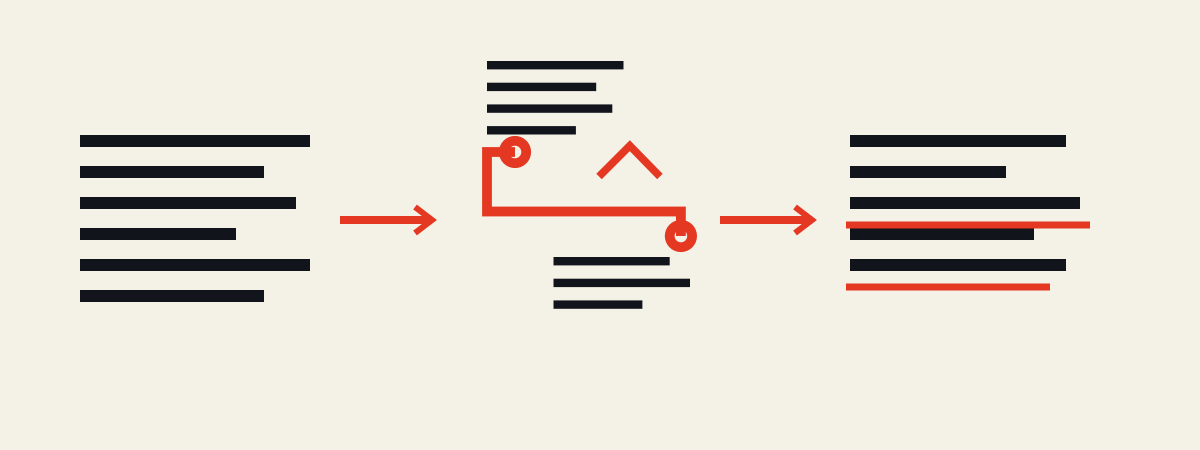
A conceptual workflow, not measured results.
Applying Style Guidance
The Australian Government Style Manual recommends simpler alternatives to longer expressions; treat this as writing guidance and preserve any specialist meaning the passage requires. When you review your draft, look for words that have simpler synonyms. However, do not replace technical terms if they are necessary for accuracy. The balance is between being clear and being precise. If a specialist term is required, keep it. If a common word can do the job, consider using it. This approach respects the specific needs of your assignment while improving readability. It is a careful edit, not a blanket simplification. Always check if the simpler word changes the meaning. If it does, revert to the original. The aim is clarity without loss of precision.
The Canada.ca style guide recommends reading aloud or using a screen reader to find wording to clarify or shorten; this is a review technique, not a guarantee of clarity or rankings Canada.ca Content Style Guide.
Using Screen Readers as a Check
The Canada.ca style guide recommends reading aloud or using a screen reader to find wording to clarify or shorten; this is a review technique, not a guarantee of clarity or rankings. A screen reader processes text linearly, which can expose structural issues. Listen for pauses that feel unnatural or sentences that run on. This tool helps you see how the text is consumed by others. It is a helpful way to test the flow of your paragraphs. If the audio output sounds choppy, the text may need restructuring. Use this feedback to make targeted edits. Do not assume that a smooth audio output means the text is perfect. It is one piece of evidence in your review process. Combine it with your own judgment to make the best decisions for your draft.
Sources
Try it yourself: check any text for AI with the free Neuroslop detector.